Poison Ivy Removal in Lancaster, PA
Poison ivy removal services focus on safely identifying and eliminating poison ivy plants from residential properties. This service is suitable for a variety of projects, including clearing overgrown areas, maintaining landscaped yards, and removing plants that pose a risk to children, pets, or outdoor enthusiasts. Property owners typically want to understand the scope of the removal process, the safety measures involved, and how the plants will be disposed of to ensure their outdoor spaces remain safe and accessible.
Before requesting poison ivy removal, homeowners should consider the extent of the infestation and the locations of the plants, especially near play areas, walkways, or garden beds. It’s also important to inquire about the methods used to remove the plants and prevent regrowth, as well as any recommendations for ongoing maintenance to keep the property free of poison ivy. Proper removal helps protect families and pets while restoring the beauty and safety of outdoor spaces.
Many property owners in Lancaster, PA look into Poison Ivy Removal for repairs, replacements, upgrades, and appearance-related improvements.
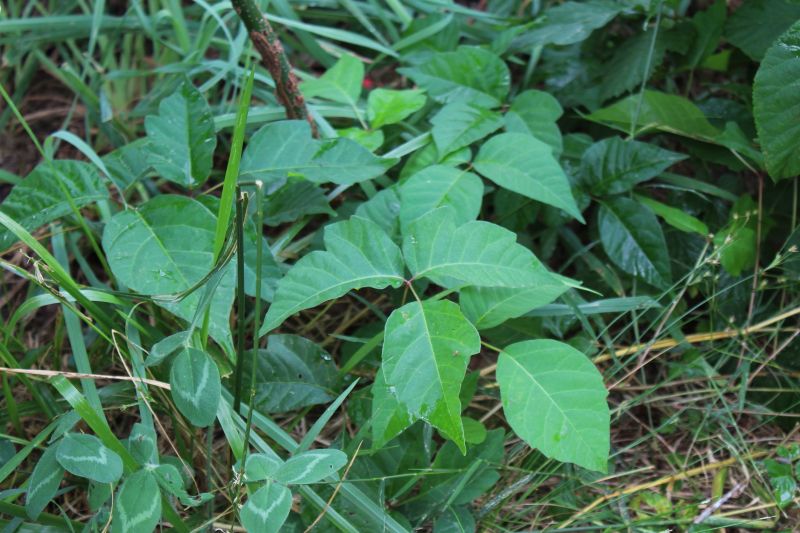
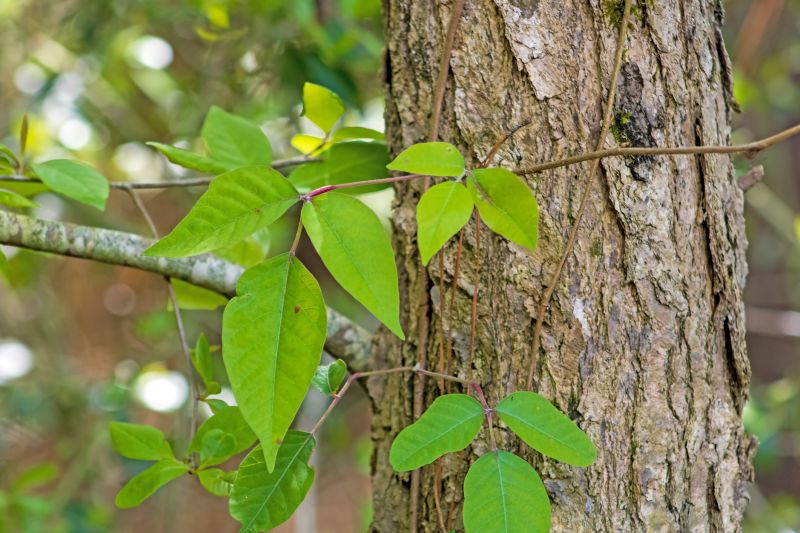
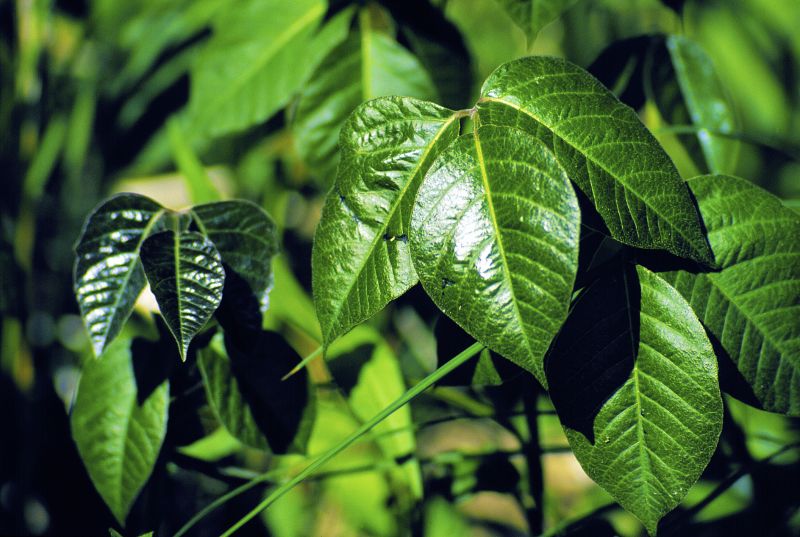
Identifying Poison Ivy
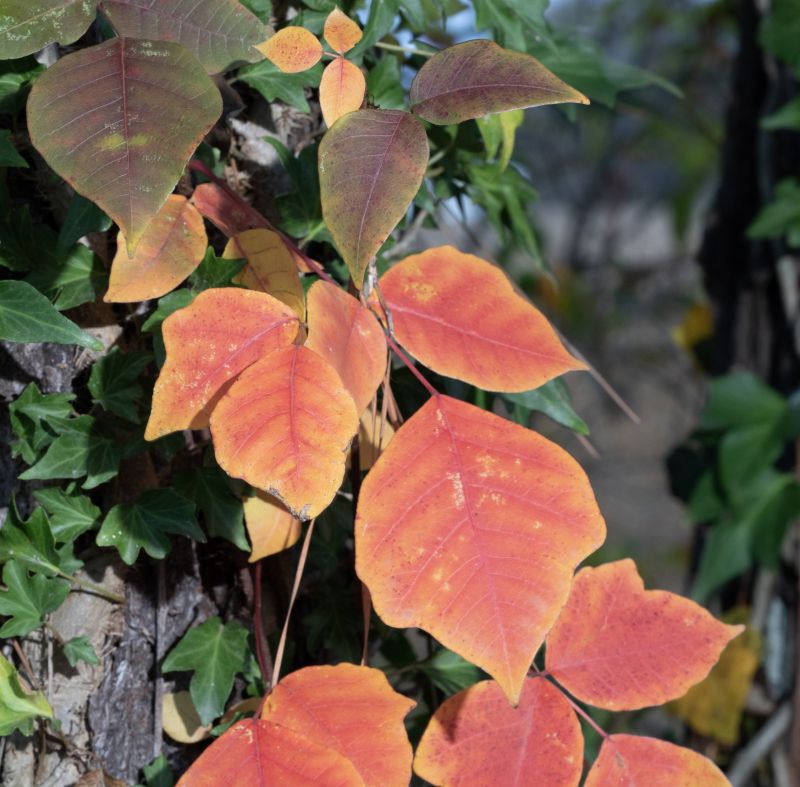
Recognizing poison ivy plants is essential to prevent skin irritation and property damage in lancaster and surrounding areas.
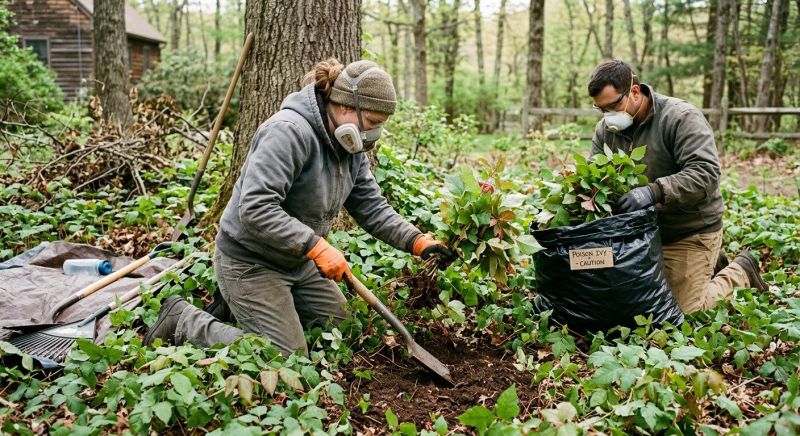
Safe Removal Techniques
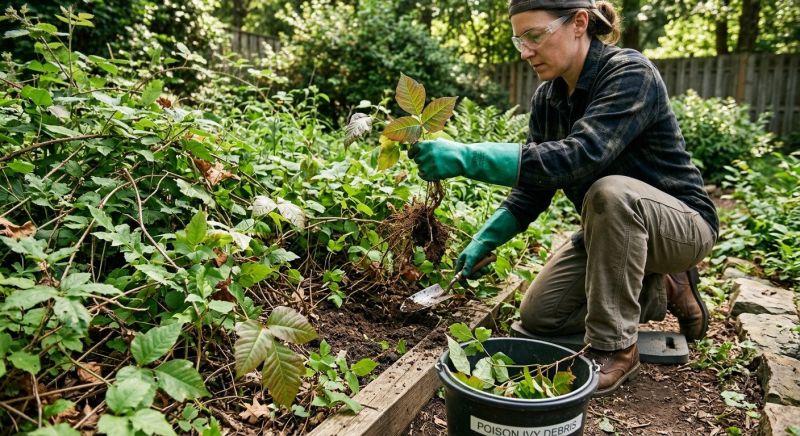
Proper removal methods ensure the plant is eliminated without spreading or causing harm to your landscape.
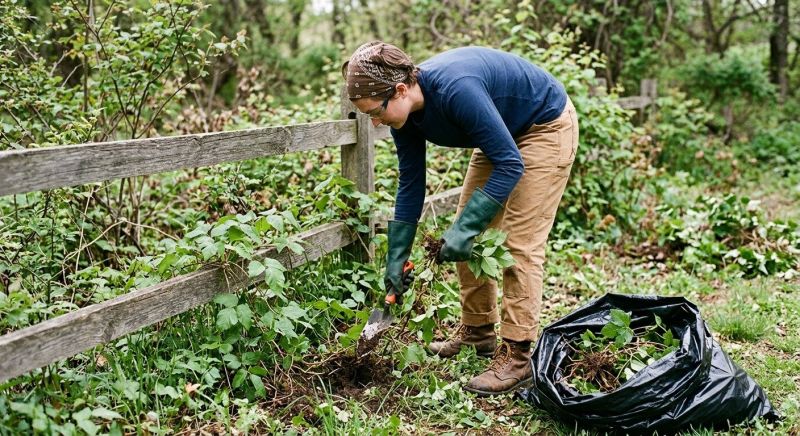
Property Preservation
Removing poison ivy helps maintain the safety and aesthetic appeal of residential and commercial properties in lancaster, pa.
Poison Ivy Removal in Lancaster, PA
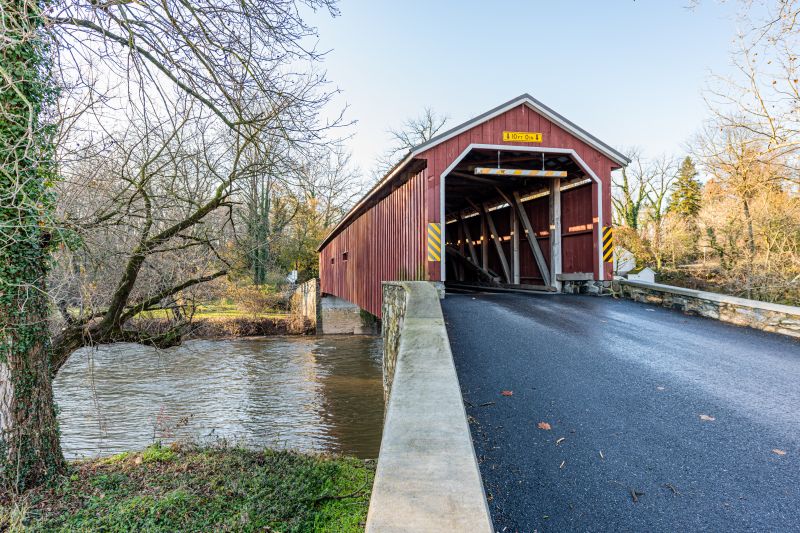
Poison ivy removal services focus on safely identifying and eliminating poison ivy plants from residential properties. This service is suitable for a variety of projects, including clearing overgrown areas, maintaining landscaped yards, and removing plants that pose a risk to children, pets, or outdoor enthusiasts. Property owners typically want to understand the scope of the removal process, the safety measures involved, and how the plants will be disposed of to ensure their outdoor spaces remain safe and accessible.
Before requesting poison ivy removal, homeowners should consider the extent of the infestation and the locations of the plants, especially near play areas, walkways, or garden beds. It’s also important to inquire about the methods used to remove the plants and prevent regrowth, as well as any recommendations for ongoing maintenance to keep the property free of poison ivy. Proper removal helps protect families and pets while restoring the beauty and safety of outdoor spaces.
Many property owners in Lancaster, PA look into Poison Ivy Removal for repairs, replacements, upgrades, and appearance-related improvements.
Common Poison Ivy Removal Jobs
Poison Ivy Removal Services - professional removal of poison ivy from yards, gardens, and landscape areas.
Yard Clearing and Cleanup - complete removal of poison ivy to restore safety and appearance.
Property Maintenance - ongoing management to prevent poison ivy regrowth in outdoor spaces.
Landscape Restoration - safe removal combined with planting and landscape improvements.
Hazard Prevention - eliminating poison ivy to reduce the risk of skin irritation and allergic reactions.
Vegetation Control - targeted removal of poison ivy in difficult-to-reach or overgrown areas.
Poison Ivy Removal Questions
What is poison ivy removal? Poison ivy removal involves safely eliminating the plant from a property to prevent skin irritation and other health risks.
Why should poison ivy be removed? Removing poison ivy reduces the risk of contact, allergic reactions, and prevents the spread to other areas of the property.
Where is poison ivy commonly found? Poison ivy often grows in shaded areas, along fences, and in wooded or overgrown sections of a yard.
Does poison ivy removal require special tools? Yes, specialized tools and protective gear are used to safely remove and dispose of the plant.
Request Poison Ivy Removal in Lancaster, PA
Use the quote form on this page to share the basics of your project and request more information for the type of work you need.