Hemlock Removal in Philadelphia, PA
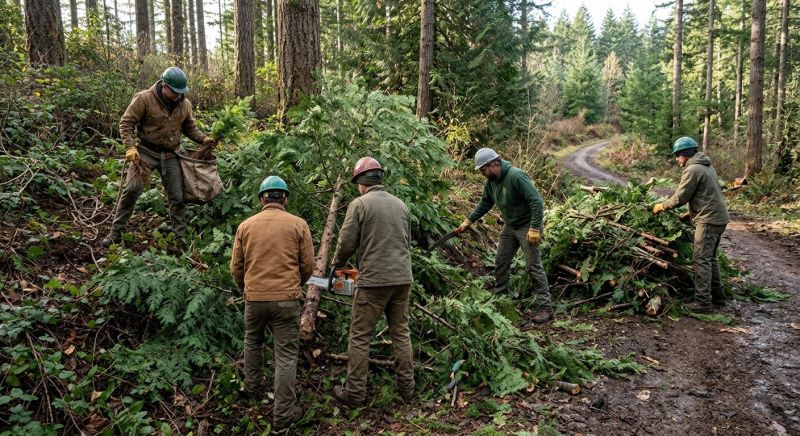
Hemlock removal services involve the careful and thorough elimination of hemlock trees from residential properties. This process is often requested when hemlocks pose safety concerns, become diseased, or are interfering with other landscaping plans. Projects can range from removing a single problematic tree to clearing multiple hemlocks across a yard or property. Property owners typically want to understand the scope of the removal, the methods used, and any necessary follow-up care to ensure healthy landscape maintenance after the trees are taken out.
Before requesting hemlock removal, homeowners should consider factors such as the size and location of the trees, potential impacts on the landscape, and any local regulations or restrictions. It’s also helpful to understand whether the removal will involve stump grinding or complete excavation, and what disposal options are available. Clarifying these details can help ensure the project aligns with property goals and minimizes disruption to the surrounding environment.
Many property owners in Philadelphia, PA look into Hemlock Removal for repairs, replacements, upgrades, and appearance-related improvements.

Reasons To Remove Hemlocks
Removing damaged or diseased hemlocks helps maintain the health and safety of your landscape.
Benefits Of Hemlock Removal
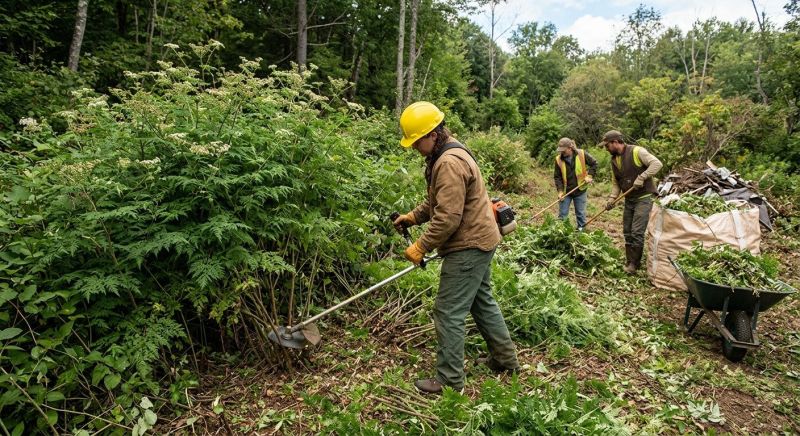
Clearing out overgrown or hazardous hemlocks can improve property aesthetics and reduce risks.
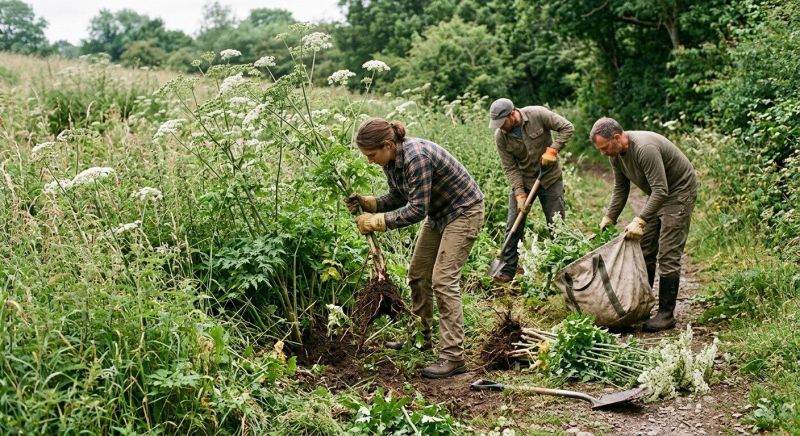
Common Hemlock Issues
Property owners often seek removal due to pest infestations, storm damage, or crowding concerns in philadelphia neighborhoods.
Hemlock Removal in Philadelphia, PA

Hemlock removal services involve the careful and thorough elimination of hemlock trees from residential properties. This process is often requested when hemlocks pose safety concerns, become diseased, or are interfering with other landscaping plans. Projects can range from removing a single problematic tree to clearing multiple hemlocks across a yard or property. Property owners typically want to understand the scope of the removal, the methods used, and any necessary follow-up care to ensure healthy landscape maintenance after the trees are taken out.
Before requesting hemlock removal, homeowners should consider factors such as the size and location of the trees, potential impacts on the landscape, and any local regulations or restrictions. It’s also helpful to understand whether the removal will involve stump grinding or complete excavation, and what disposal options are available. Clarifying these details can help ensure the project aligns with property goals and minimizes disruption to the surrounding environment.
Many property owners in Philadelphia, PA look into Hemlock Removal for repairs, replacements, upgrades, and appearance-related improvements.
Common Hemlock Removal Jobs
Hemlock removal - clearing invasive trees to protect native landscape health.
Hemlock thinning - reducing tree density to improve forest stability and growth.
Hemlock stump grinding - safely removing tree stumps to prevent regrowth and hazards.
Hemlock infestation cleanup - eliminating diseased or infested trees to prevent spread.
Hemlock pruning - trimming to promote healthy growth and maintain property aesthetics.
Hemlock tree removal planning - assessing property needs for safe and effective removal strategies.

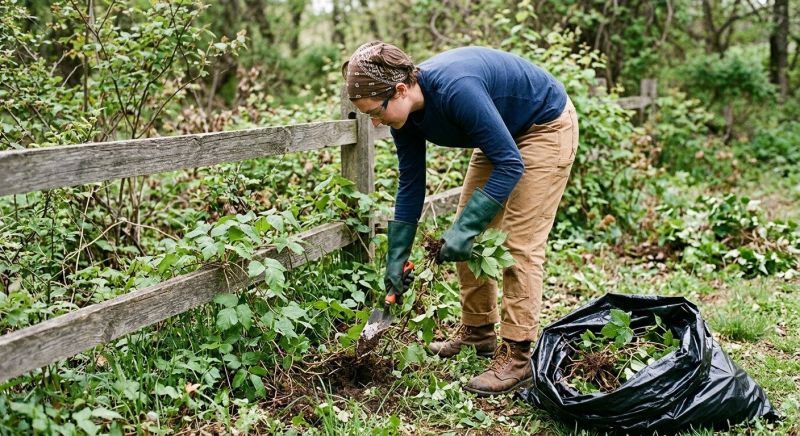
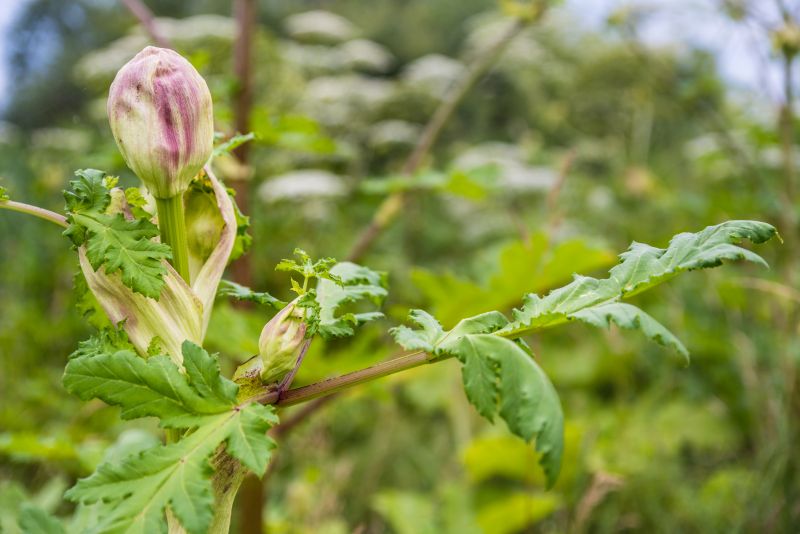
Hemlock Removal Questions
Why remove a hemlock tree? Hemlock removal may be necessary if the tree is diseased, poses a safety risk, or is crowding other plants on the property.
Is hemlock removal safe for nearby plants? Yes, proper removal methods protect surrounding vegetation and prevent damage during the process.
What methods are used for hemlock removal? Techniques typically include cutting, grinding, and hauling away the tree and debris to clear the area.
When is the best time for hemlock removal? Dormant seasons, such as late fall or winter, are often ideal for removal to minimize impact on the landscape.
Request Hemlock Removal in Philadelphia, PA
Use the quote form on this page to share the basics of your project and request more information for the type of work you need.